“Fine. Do whatever you want.”
It is Sunday evening. One of you asks if you are still visiting your partner’s parents next weekend. The other says, “Fine. Do whatever you want,” and starts loading the dishwasher very loudly.
Nobody shouted. Nobody said anything cruel, technically. Yet both partners walk away feeling worse, and the real topic, that one of you is exhausted and wanted a free weekend, never comes up.
That moment is a clash of communication styles in relationships. Most couples move between four styles: passive, aggressive, passive-aggressive and assertive. Under stress, each partner tends to fall back on one.
In this guide you get what each style sounds like, where it comes from and what it does to a relationship. You also get a comparison table, a 10-statement self-check, and scripts couples can use tonight.
What are the four communication styles in relationships?
The four communication styles are passive, aggressive, passive-aggressive and assertive. They describe how a couple handles needs: hiding them, forcing them, sneaking them in sideways, or stating them clearly and respectfully. Everyone uses all four sometimes, so what matters is the style you reach for when tired, hurt or scared.
 Aggressive“My needs matter, yours don’t.”
 Assertive“Both of our needs matter.”
 Passive-aggressive“My needs matter, but I can’t say so.”
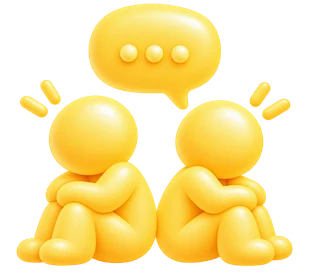 Passive“Your needs matter, mine don’t.”
This framework is common in communication skills training for couples. It is not a diagnosis, and no style makes someone a bad partner. Treat it as a map of your relationship patterns.
What is passive communication?
Passive communication means keeping your needs, opinions and feelings to yourself to avoid conflict. In a couple, it looks like going along with plans you dislike, saying “I’m fine” when you are not, and letting your partner guess. It keeps the peace for a while, but resentment quietly builds underneath.
What it sounds like in a couple:
“I don’t mind, whatever you want.”
“It’s fine, honestly.”
“No, it’s not a big deal.” (after it clearly was)
“Sorry, I know I’m being silly.”
“Let’s just not talk about it.”
What it feels like inside: Invisible, a little tense, and relieved in the moment. Later comes the thought: “Why do my needs never count?”
Where it often comes from: Often a childhood where speaking up led to anger or guilt, or a belief that being “easy” is how you earn love.
What it does to your partner and the relationship: Your partner loses accurate information about you, so they keep getting it wrong. The relationship feels polite but distant, and unspoken needs leak out later as resentment.
How to shift toward assertive: Start with small preferences. “I’d actually prefer Thai tonight” is practice for bigger things. Then replace “I don’t mind” with one honest sentence: “I mind a little. I’d like a quiet weekend.”
What is aggressive communication?
Aggressive communication means pushing your needs through at your partner’s expense, using blame, volume, sarcasm or threats. It often wins the argument in the moment. The cost is that your partner stops feeling safe, and a couple where one person is afraid to answer honestly cannot really solve anything together.
What it sounds like in a couple:
“You always do this.”
“What is wrong with you?”
“Forget it, you never listen anyway.”
“If you cared, you would have remembered.”
“Don’t even start with me right now.”
What it feels like inside: Hot, urgent and certain you are right. Under the anger there is usually hurt or fear that feels harder to show.
Where it often comes from: Homes where shouting was the only way to be heard. Long stress or feeling ignored for months can push calm couples there too.
What it does to your partner and the relationship: Your partner fights back or shuts down, and the real topic gets lost. John Gottman’s research names criticism and contempt among the “Four Horsemen”, patterns his work links to couples who struggle to stay together.
How to shift toward assertive: Notice the heat in your body and pause before the first sentence. Swap “you always” for “I felt … when …”. If you are flooded, say: “I’m too heated to do this well. Can we talk after a short walk?” Then come back.
What is passive-aggressive communication?
Passive-aggressive communication is anger expressed indirectly. On the surface you agree or say nothing, but frustration comes out through sarcasm, sulking, the silent treatment, “forgetting” or loud sighs. It feels safer than open conflict, yet it leaves your partner confused, because the words and the tone do not match.
What it sounds like in a couple:
“No, it’s fine. I’ll just do it myself, like always.”
“Wow, nice of you to finally text back.”
“I’m not upset.” (said without looking up)
“Sure, go out with your friends. Have fun.”
“I guess some of us have to work.”
What it feels like inside: Angry but stuck, wanting your partner to notice without having to say it.
Where it often comes from: Families where direct anger was punished but still had to go somewhere.
What it does to your partner and the relationship: Your partner has to decode you, and often answers the words instead of the feeling. Passive aggressive communication slowly erodes trust in a relationship, because nobody is sure what “fine” means anymore.
How to shift toward assertive: Say the second thought out loud. “I’ll just do it myself” becomes “I’m frustrated that I’ve done the dishes four nights in a row. Could you take tonight?” Sarcasm means a need is hiding, so find it before you speak.
What is assertive communication?
Assertive communication means stating your feelings, needs and limits clearly and calmly, while staying curious about your partner’s. It is not about winning or being blunt. Assertive communication in relationships sounds like “I” statements, specific requests and real listening, and it is what most couples mean by healthy communication in a relationship.
What it sounds like in a couple:
“I felt hurt when the plans changed without a text.”
“I need a quiet evening tonight. Can we do dinner tomorrow instead?”
“I see it differently. Can I explain my side?”
“That’s not okay with me. Let’s find another way.”
“What do you need from me right now?”
What it feels like inside: Steady, sometimes nervous, but clear. You can feel uncomfortable and still say the true thing.
Where it often comes from: Some people saw it modelled at home. Most couples learn it later, on purpose, through practice and repair.
What it does to your partner and the relationship: Your partner knows where they stand and can respond to the real issue. Disagreements still happen, but they end with a plan instead of a scar.
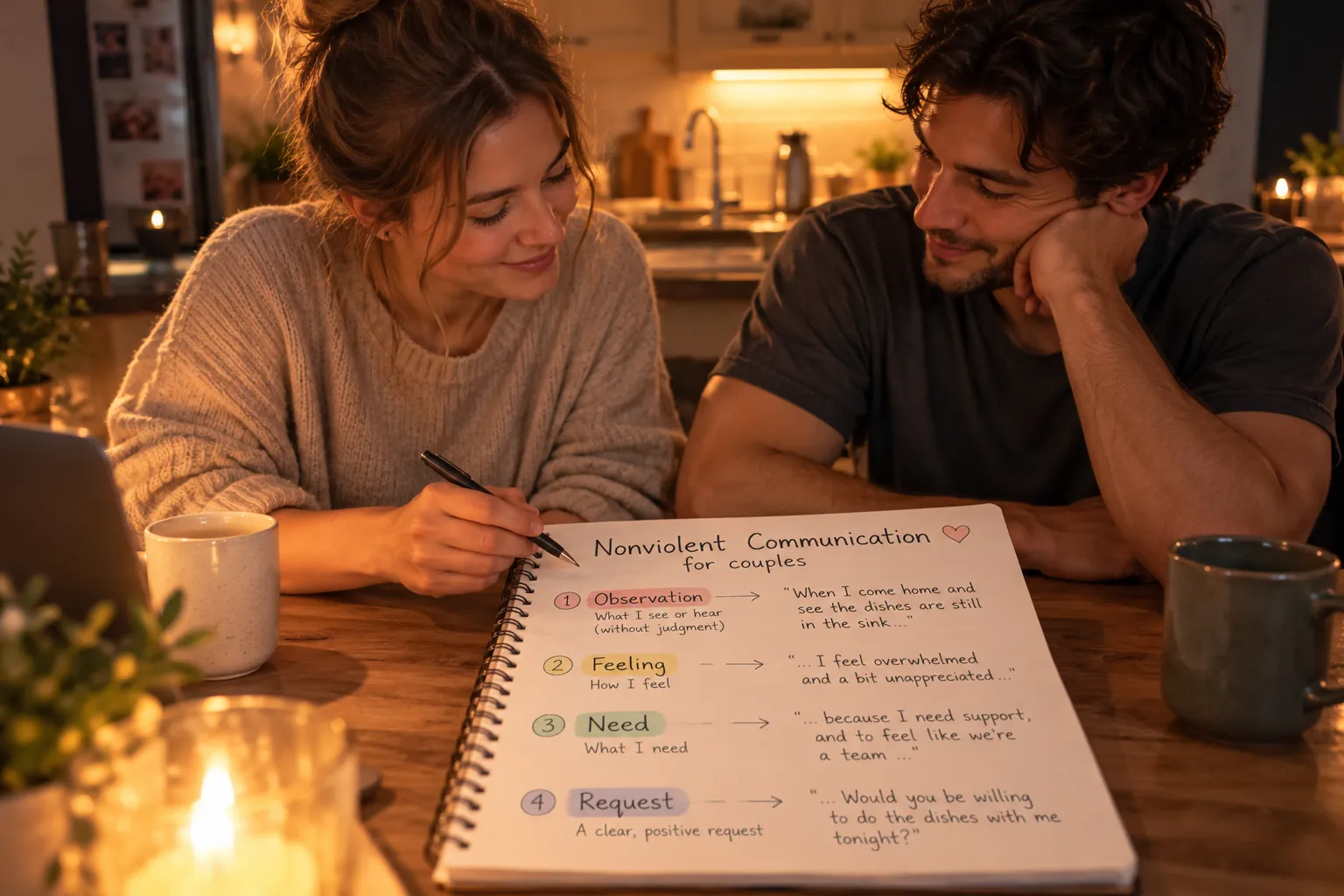
How to strengthen it: Use the shape from Nonviolent Communication: what happened, how you feel, what you need, what you are asking for. Then stop and listen.
How do the communication styles in relationships compare?

The fastest way to see the difference is side by side. Each style rests on a core belief about whose needs count, and you can often spot it in the body before the words. The last column matters most: it shows the same moment rewritten assertively, a skill every couple can practise.
| Style | Core belief | Typical phrases | Body language | Effect on partner | The assertive rewrite |
|---|---|---|---|---|---|
| Passive | “Your needs matter, mine don’t.” | “I don’t mind.”“It’s fine.” | Avoids eye contact, quiet voice, shrugs | Guesses wrong, later blindsided by resentment | “I do mind a little. I’d prefer a quiet weekend at home.” |
| Aggressive | “My needs matter, yours don’t.” | “You always…”“What’s wrong with you?” | Raised voice, pointing, eye-rolling | Feels attacked, counter-attacks or shuts down | “I felt ignored when you were on your phone at dinner. Can we keep phones away while we eat?” |
| Passive-aggressive | “My needs matter, but I can’t say so.” | “Fine, I’ll do it myself.”“Must be nice.” | Sighs, slammed cupboards, silent treatment | Feels uneasy, has to decode, trust drops | “I’m frustrated about the dishes. Could you take tonight and tomorrow?” |
| Assertive | “Both of our needs matter.” | “I feel… I need… Would you…?” | Relaxed posture, steady voice, open face | Feels respected, knows what is being asked | Already there: keep listening. |
What happens when two styles meet in a couple?
Communication styles in relationships rarely show up alone. Two partners bring two styles, and the combination creates its own loop. Knowing your pair’s pattern helps couples stop blaming each other and change the loop together. Here are the most common pairings and what each pair needs to work better.
Passive + aggressive
One partner pushes, the other folds. It looks calm, but the passive partner is quietly keeping a resentment file. What this pair needs: the aggressive partner slows down and asks, “What do you want here?” The passive partner commits to one real preference every time.
Passive-aggressive + passive
Nobody says the actual thing. Both partners hint, sigh and hope. What this pair needs: a regular, low-pressure check-in. Try “one thing that bugged me, one thing I loved this week”, so direct speech becomes routine.
Two aggressive partners
Fights are loud, fast and escalate within minutes. Both feel unheard because both are talking. What this pair needs: an agreed pause word, a set time to come back, and one person speaking at a time.
Two passive partners
The relationship is kind, polite and slowly drifting, because nobody wants to impose. What this pair needs: practice stating preferences out loud. Easy questions for couples help, like “What would make this weekend good for you?”
Aggressive + passive-aggressive
One partner explodes, the other retaliates later with coldness or “forgetting”. What this pair needs: both name the feeling under the move, often hurt for one and fear for the other.
The same pairings at a glance:
| Pairing | What happens | What the pair needs |
|---|---|---|
| Passive + aggressive | One pushes, the other folds and stores up resentment | Slow down, ask, and state one real preference |
| Passive-aggressive + passive | Hints and sighs, nothing said directly | A regular, low-pressure check-in |
| Two aggressive partners | Loud, fast fights where nobody feels heard | A pause word and one speaker at a time |
| Two passive partners | Kind, polite and slowly drifting | Practice stating preferences out loud |
| Aggressive + passive-aggressive | One explodes, the other retaliates later | Both name the feeling under the move |
Which communication style do you lean toward under stress?

Take this quick self-check thinking about your last few tense moments, not your best days. Tick each statement that sounds like you, then count which letter you ticked most. Most couples find each partner has one main style and a backup. That is useful information for your relationship, not a verdict, and it changes with practice.
- When something bothers me, I wait for it to pass on its own. (P)
- I say “it’s fine” even when it isn’t, so we don’t argue. (P)
- I often give in, then feel resentful later. (P)
- When I’m upset, my voice gets louder or sharper before I notice. (A)
- In a fight, I sometimes say things I know will hurt. (A)
- I show I’m annoyed with sighs, silence or short replies. (PA)
- I make sarcastic comments instead of saying what I want. (PA)
- I hope my partner will guess what’s wrong without me saying it. (PA)
- I can say “I feel hurt” and make a clear request, even when it’s hard. (AS)
- I can hear my partner’s side without planning my comeback. (AS)
Mostly P: practise small preferences daily. Mostly A: practise the pause. Mostly PA: practise saying the second thought. Mostly AS: practise staying assertive when your partner is not. Compare results as a couple, kindly, and you have a shared relationship language for next time.
How does assertive communication connect to NVC and Connection Types?
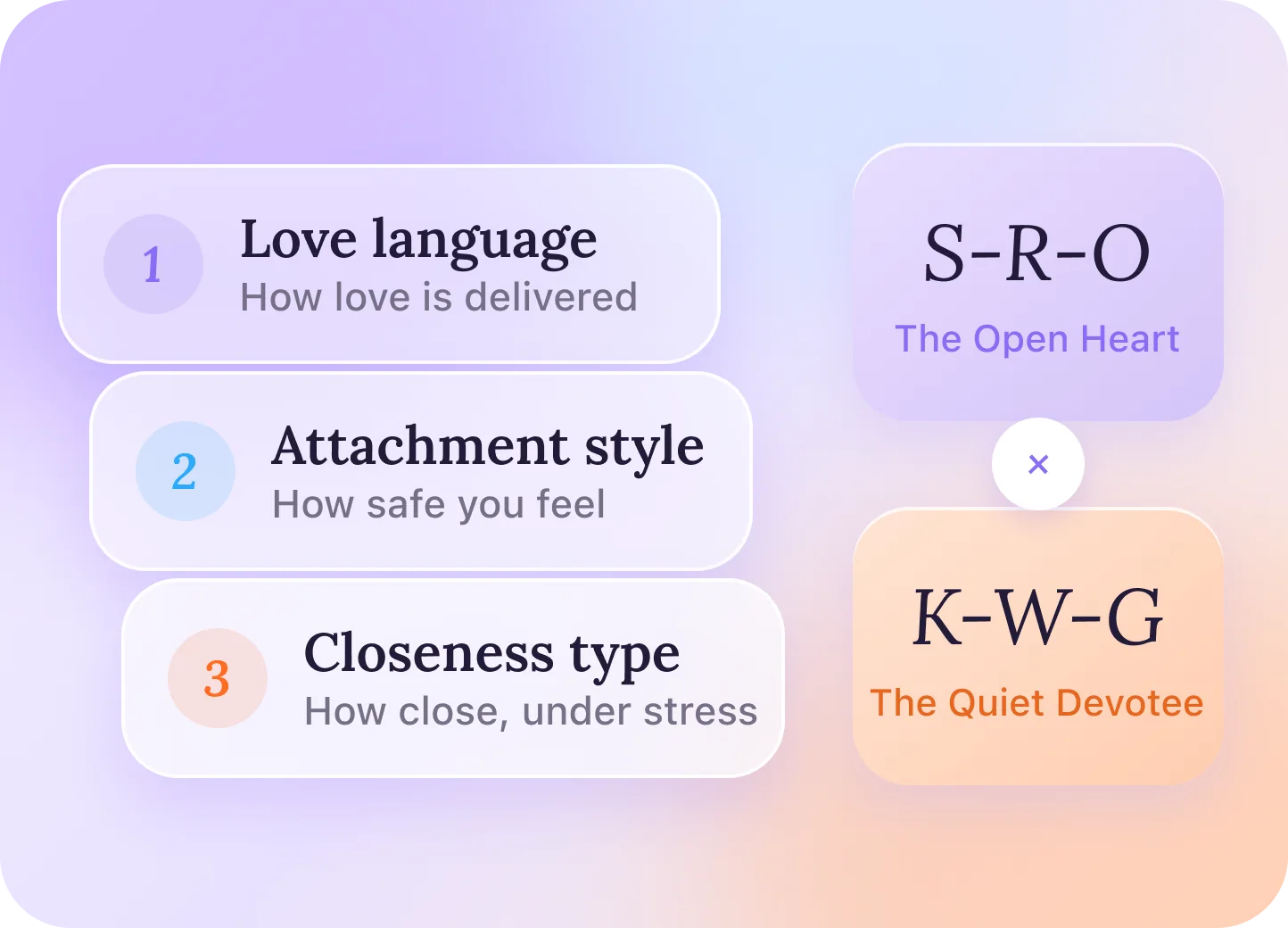
Assertive communication tells you what to aim for, and Nonviolent Communication gives couples a step-by-step shape to get there. Connection Types describe something nearby but different: how you move toward or away from your partner in conflict. Knowing both helps you understand why a style shows up, not only what it sounds like.
Assertive communication and NVC
Marshall Rosenberg’s Nonviolent Communication breaks an assertive message into four parts: observation, feeling, need, request. “When the plans changed by text an hour before (observation), I felt disappointed (feeling). I need to be able to count on our plans (need). Could we agree to call if something changes? (request)”
Each part removes a trap. The observation replaces “you always” and the feeling replaces blame. The need explains why it matters, and the request gives your partner something they can actually do.
Our guide to Nonviolent Communication for Couples walks through each step. How to Communicate Your Needs Without Starting a Fight turns it into a six-step plan for couples.
Connection Types are not the same as communication styles
Your Connection Type describes patterns like Reacher or Retreater in conflict, and Open or Guarded in expression. Communication styles in relationships describe the words you choose in the moment. In most couples they overlap, but they are not the same thing.
A Retreater can still be assertive: “I need twenty minutes to calm down, then I’ll come back.” A Reacher can be aggressive (“Don’t walk away from me!”) or assertive (“I get anxious when we stop mid-fight. Can we set a time to finish?”). Guarded expressers may slip into passive habits under stress, because direct words feel exposed.
The Connection Type quiz is a short couples quiz inside Your Relationship Profile. Your type explains the pull, and your communication style is what you do with it.
How 4couple helps with communication styles
4couple is an AI relationship app for couples that helps partners say hard things clearly and kindly, from the first draft of a message to a guided conversation. The tools below are built for the moments when old styles take over in a couple.

Translate My Emotions: from passive-aggressive or aggressive to assertive
Paste the message you want to send, however raw. Translate My Emotions gives back a 2-4 sentence version in your own voice: what happened, how you feel, what you need and a request. You can copy it, edit it or ask for a softer version, and it never sends anything for you.
Before (passive-aggressive): “Wow, great, so I’m doing the whole Saturday alone again. Love that for me.” After: “When the Saturday plans fell through, I did the shopping and cleaning alone. I felt tired and a bit unseen. I need us to share weekend jobs more evenly. Could we split next Saturday’s list tonight?”
Before (aggressive): “You ALWAYS ignore my messages. Don’t bother coming home early, clearly you don’t care.” After: “I sent a few messages this afternoon and didn’t hear back until evening. I felt worried, then hurt. I need to know you’ve seen the important ones. Could you send a quick thumbs up when you’re busy?”

Partner Chat: Shape with AI, then approve before you send
Once you are paired in the app with a pairing code, Partner Chat is your shared conversation as a couple. Your first message is shaped by Translate My Emotions with “Shape with AI”, and you approve it before your partner sees anything. They receive a short neutral topic card plus your words.
On the receiving side, “Discuss this message” lets your partner take a message that stung into their own AI Companion first. That gives a partner with an aggressive reflex time to cool down before replying.

Connection Type quiz: see your pattern side by side
Each partner takes the Connection Type quiz: six statements, eight types, such as The Tender Pursuer or The Quiet Resolver. Seeing both types helps a paired couple understand why one partner chases a conversation and the other steps back.

AI Companion: rehearse the assertive version first
The AI Companion is a private chat that your partner never sees. Use it to rehearse: “I want to tell my partner I’m hurt about the birthday plans, but I usually go silent. Help me practise.” Many couples find that saying the words once in private makes them easier to say for real.

Let’s talk about: guided conversations on trigger topics
In most couples, old styles come out around money, chores and the mental load, family and in-laws, and intimacy. In “Let’s talk about”, both partners answer the same questions privately, then read each other’s answers. Passive partners get space to be honest, and aggressive partners read before reacting.
What we deliberately do not do: We never put clinical labels on you or your partner. 4couple never sends a message for you, and nothing from either partner’s private AI Companion chats ever appears to the other. It is a relationship app for everyday communication, not a replacement for professional help.
Frequently asked questions
What are the 4 communication styles in relationships?
The four communication styles in relationships are passive, aggressive, passive-aggressive and assertive. Passive hides your needs, aggressive forces them, passive-aggressive sneaks them in through sarcasm or silence, and assertive states them clearly while respecting your partner. Most couples lean toward one under stress. Assertive is the style for couples to practise.
What is the healthiest communication style for couples?
Assertive communication in relationships is the healthiest for most couples. It means saying what happened, how you feel, what you need and what you are asking for, then listening properly. It is not about being blunt or always getting your way. Healthy communication in a relationship means both partners feel safe to speak and both feel heard.
How do I stop being passive-aggressive with my partner?
Catch the second thought behind the sarcasm and say it directly. “I’ll just do it myself” usually means “I feel overloaded and need help”. Turn it into a clear request with a time attached. If the habit is strong, run your draft through Translate My Emotions first.
Can communication styles in relationships change?
Yes. Styles are habits, not fixed traits, and couples change them through small, repeated practice. Start with low-stakes moments like choosing dinner. Agree on a pause word for heated fights, and repair afterwards when you slip. Over months, the assertive version starts to come out first.
How to communicate better in a relationship when we have different styles?
Name your styles together without blame, using the self-check above. Then each partner picks one change: pause, state one preference, or say the real request. Learning how to communicate better in a relationship is a team project for the pair of you, so celebrate small wins out loud.
When is aggressive communication more than a style?
If you feel afraid of your partner, or are threatened, intimidated, controlled or hurt, that is not a style issue. Please reach out to a qualified professional or a local domestic abuse support service. 4couple is not a replacement for professional help and is not designed for situations where someone is unsafe.
Is there an app that helps couples with communication styles?
Yes. 4couple is an AI relationship app for couples that helps partners turn passive-aggressive or aggressive drafts into assertive messages with Translate My Emotions. It also offers Partner Chat with approve-before-send, a Connection Type quiz, a private AI Companion for rehearsing, and “Let’s talk about” guided conversations. It is a couples app that never sends without you.
The research and frameworks behind this article, and where to read more:
- The Gottman Institute: The Four Horsemen: Criticism, Contempt, Defensiveness, and Stonewalling. The difference between a complaint and criticism.
- Center for Nonviolent Communication: cnvc.org. The organisation founded by Marshall Rosenberg, author of Nonviolent Communication: A Language of Life.
- The Gottman Institute: How to Fight Smarter: Soften Your Start-Up. Why the first sentence of a hard conversation shapes how it ends.
- Zach Brittle, The Gottman Institute: Turn Towards Instead of Away. John Gottman’s research on bids for connection and turning toward your partner.
This article is general information, not therapy or medical advice. 4couple is a relationship app, not a replacement for a qualified professional. If you feel unsafe in your relationship, contact a professional or your local support line.

Writes about everyday relationship communication and how couples use 4couple day to day.

Turns relationship research into practical guides couples can use the same evening.